
Affective canine Communication in Practice At Sirius7K9 Training, training is built around affective communication resulting in enhanced trust and bond giving dog's purpose. Dog's love to have a job!
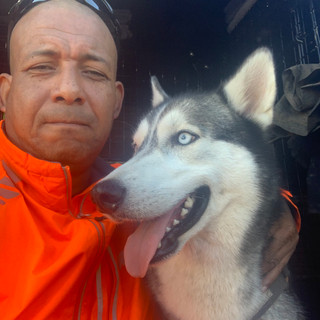
Your dog is communicating with you all the time.Not with words, but through body language, energy, and subtle changes in movement and tension.
Many behaviour issues don’t begin with disobedience. They begin with misunderstanding. When early signals are missed, dogs escalate their communication. That’s when training breaks down, relationships become strained, and behaviour can feel confusing or even unsafe.
Understanding canine communication is the foundation of effective dog behaviour training.
Reading Dog Body Language
Dogs speak through posture, eye contact, stillness, avoidance, and tension in the body. A dog turning their head away, avoiding eye contact, or freezing briefly before movement is giving valuable information about how they feel in that moment.
These signals often come long before barking, lunging, or shutdown behaviour. When we learn to recognise them, we can respond earlier and more effectively.
Why Canine Communication Matters in Training
Dogs respond impulsively to what they are experiencing right now. They signal when they want to engage, how they want to engage, or when they need space.
When those signals go unnoticed, frustration builds on both sides. What looks like stubbornness or resistance is often a dog trying to cope with pressure or confusion.
Dog behaviour training works best when communication flows both ways.
Affective Communication in Practice
At Sirius7K9 Training, training is built around affective communication. That means observing the dog in front of us, marking behaviours in the moment, and adjusting approach based on what the dog is telling us through their body language.
There is no fixed formula. Training duration, intensity, and structure are shaped around the individual dog, their environment, and their emotional state.
This approach creates clarity, confidence, and trust.
Creating Flow Between Human and Dog
When communication improves, behaviour stabilises. Dogs become more engaged, more relaxed, and more responsive. Training feels less forced and more cooperative.
This flow strengthens the relationship and helps dogs find their role living alongside humans in a way that feels safe and purposeful.
Work With a Dog Behaviourist in Greater London
If you’re looking for dog behaviour training in Greater London, support starts with understanding your dog, not correcting them.
Whether you’re dealing with reactivity, anxiety, disengagement, or ongoing training challenges, learning to read and respond to your dog’s communication can change everything.
Book a Behaviour Consultation
Personalised assessments focused on communication, emotional state, and environment.
Dog Training Sessions
One-to-one training built around your dog’s needs, not a rigid method.
Ongoing Behaviour Support
Guidance for building long-term trust, clarity, and stability.
Get in touch to book a consultation or learn more about working together.
![Looking for a dog trainer in [Your Location]? Learn how understanding dog body language and affective communication improves behaviour, trust, and training outcomes.](https://static.wixstatic.com/media/90143c_6ac17c1114664626b6d4aa42b73f9198~mv2.jpeg/v1/fill/w_768,h_1024,al_c,q_85,enc_avif,quality_auto/90143c_6ac17c1114664626b6d4aa42b73f9198~mv2.jpeg)


Comments